
A mathematician from Anthropic claims to have proven the Riemann hypothesis with the help of AI.
Live Science · New Scientist Read →Scientists: topic — newsScientists — every story on each topic in one place
🔔 Follow this topic on Telegram
Researchers have discovered that 'forever chemicals' can be destroyed at lower temperatures.
ScienceAlert Read →
Scientists have discovered a rare inherited mutation in the CDK12 gene linked to aggressive prostate cancer.
ScienceDaily Health Read →
In California, students and scientists from Santa Clara University are working to preserve a unique plant species found only in this region.
Good News Network Read →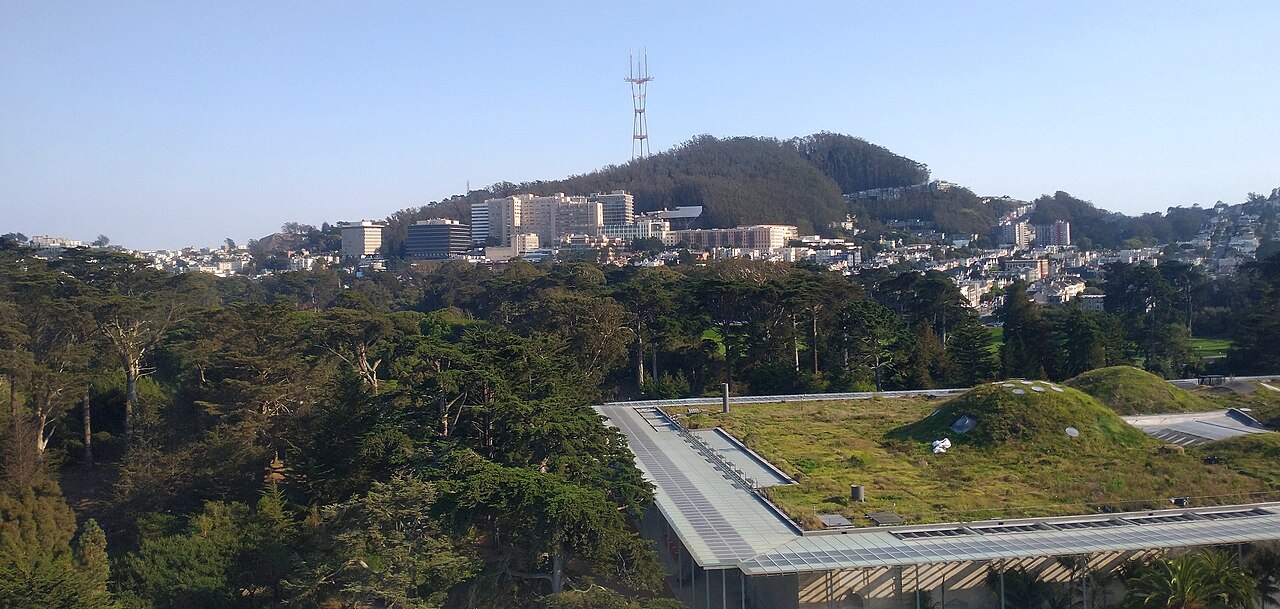
Scientists from the University of California, San Francisco, have successfully cured mice of an aggressive form of brain cancer.
Good News Network Read →
Scientists warn of a growing threat from chemicals to health.
Straits Times · CNA · Japan Times Read →Professor Pieter Pelser has been honored with a new South American daisy genus named Pelseria.
Phys.org Read →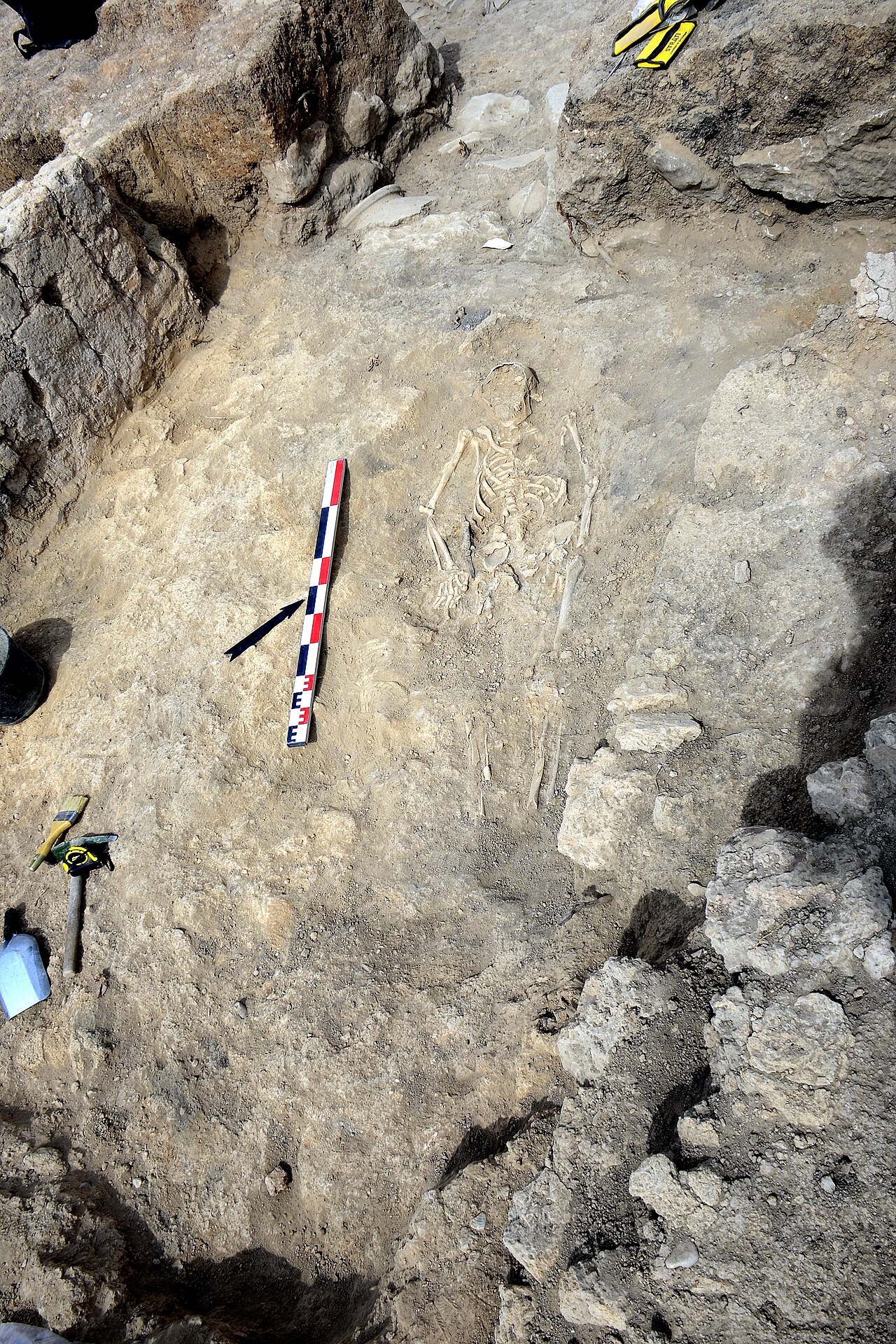
Researchers have found that ancient human bones were stronger than those of modern humans.
Ynet Здоровье Read →Researchers from the University of York are calling for global action to tackle the growing threat of pharmaceutical pollution in rivers and seas.
Phys.org Read →📰 In Israel, tribute concerts will be held with live musicians, jazz arrangements, and hundreds of candles in honor of Adele, Elton John, and Billy Joel.
Ynet Наука и чудеса природы Read →A late Triassic sauropodomorph from South Africa gained 400 kilograms by its third year of life.
N+1 Read →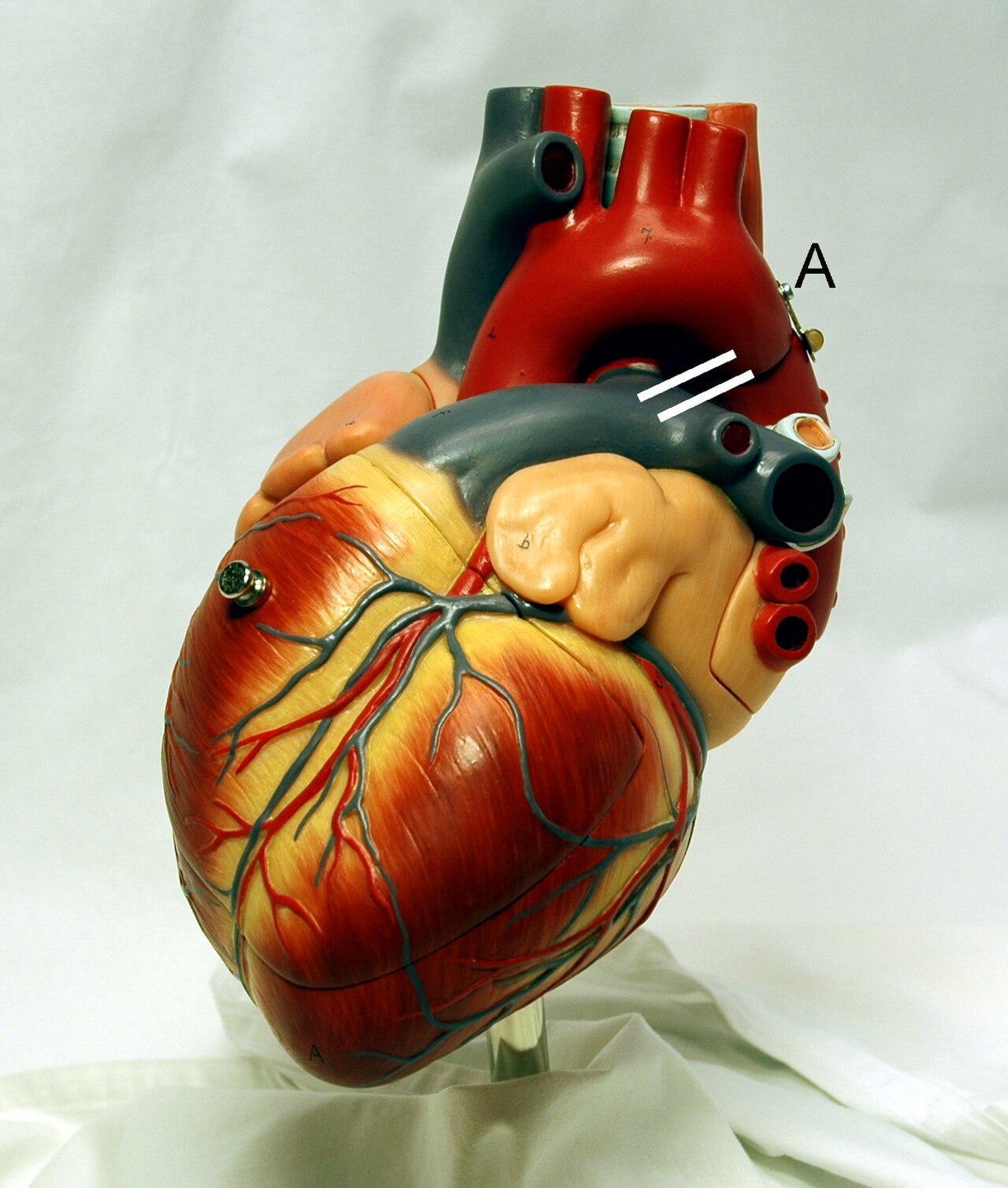
Scientists have found that the heart ages unevenly, with major changes occurring in the valves and large blood vessels, rather than the heart muscle.
ScienceDaily Health Read →
Researchers at the University of Texas have created a wearable ultrasound patch that helps people fall asleep faster and sleep longer.
ScienceDaily Health Read →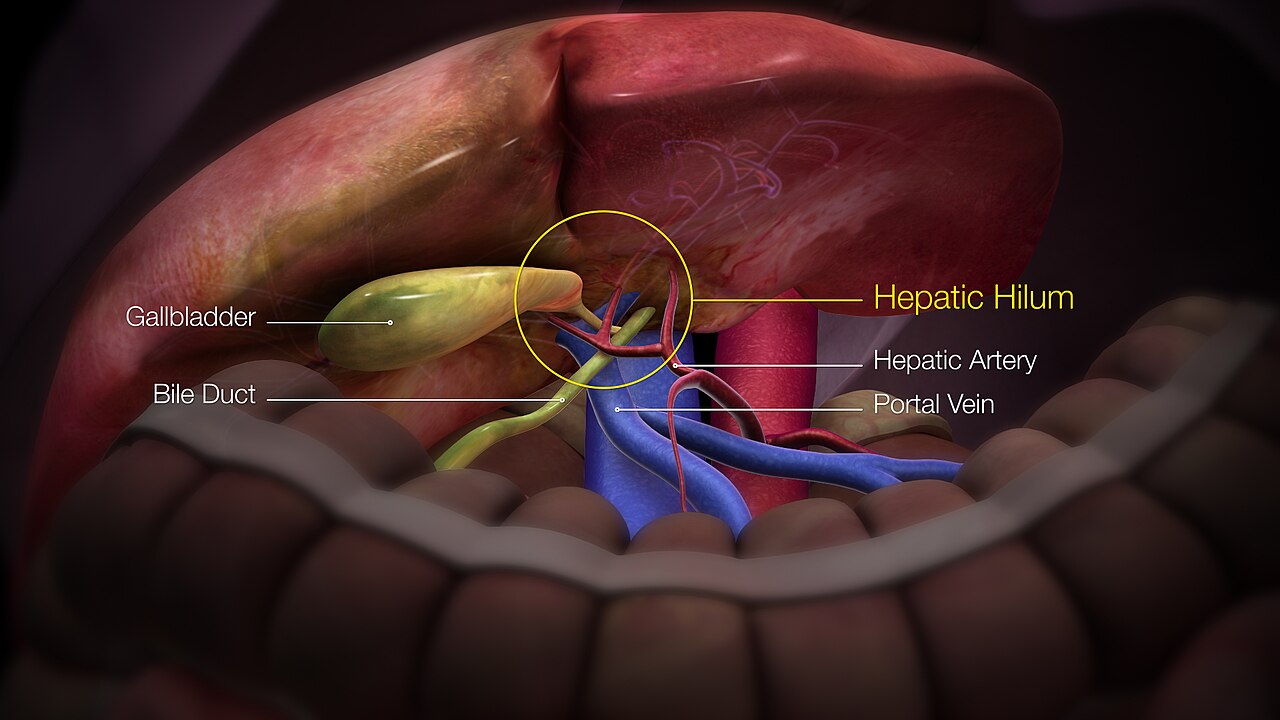
An Israeli study led by Professor Amir Shlomai found that high levels of a certain enzyme in the blood may indicate a higher risk of fatty liver disease and liver cancer.
Ynet Здоровье Read →

Scientists have uncovered a hidden warning sign in routine heart scans that could predict sudden cardiac death before it strikes.
ScienceDaily Health · ScienceDaily Read →
Two of the last wild ecosystems untouched by humans have been discovered in the Pacific Ocean, according to a new study published by the Good News Network.
Good News Network Read →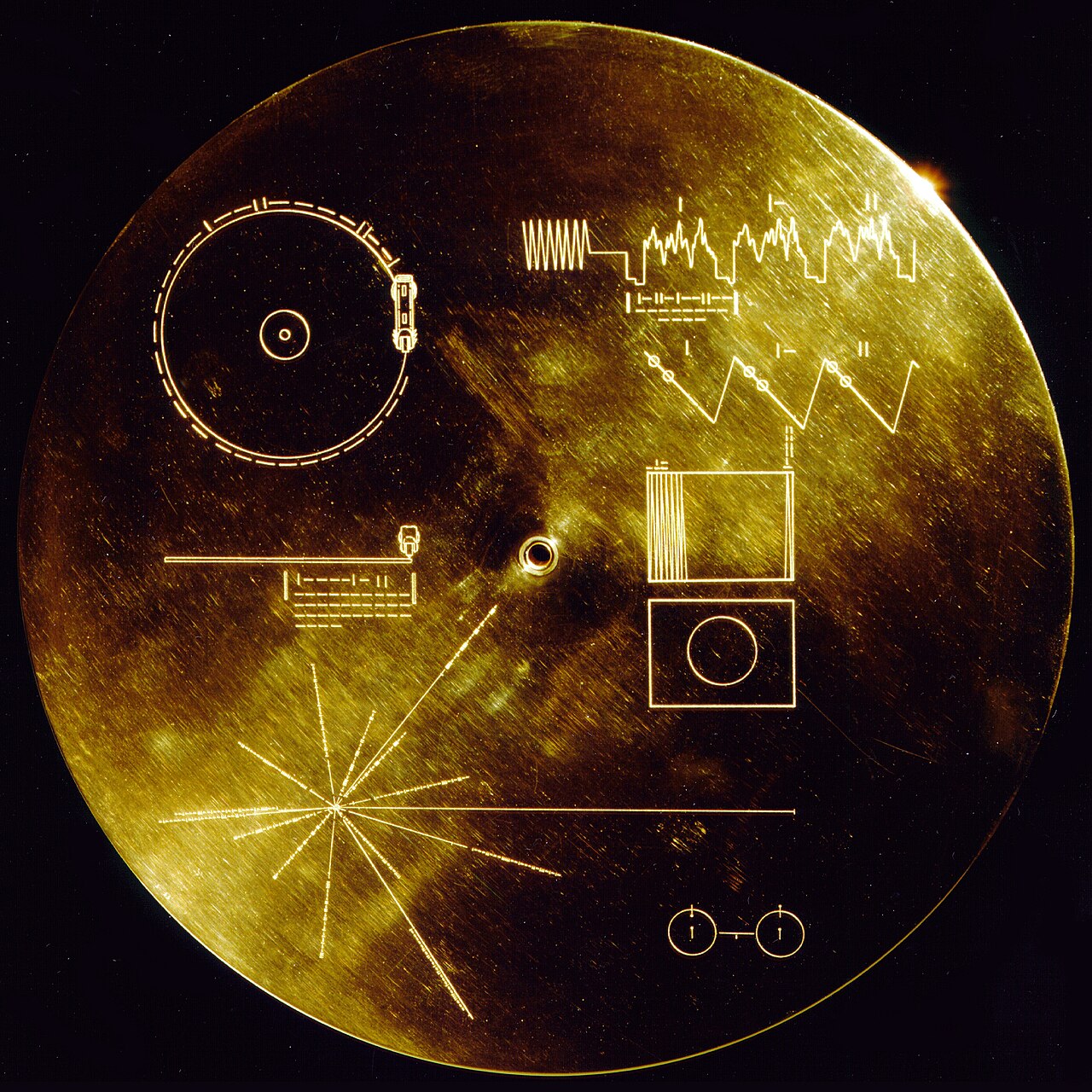
The Voyager 1 spacecraft, launched in 1977, continues to transmit data about space to a team of NASA scientists.
Al Jazeera · Anadolu · Phys.org Read →
Scientists have captured electrons making seemingly impossible jumps across forbidden energy gaps in graphene, with some transitions occurring at a remarkable 100% probability.
ScienceDaily Read →
Scientists reexamining 46 ancient skulls discovered evidence of potentially fatal head injuries in 18, suggesting that at least 39% of those studied may have been deliberately killed.
ScienceDaily Read →
Researchers at Yale University have found that certain prescription drugs, healthy diets, and exercise can measurably slow biological aging.
ScienceDaily Health · ScienceDaily Read →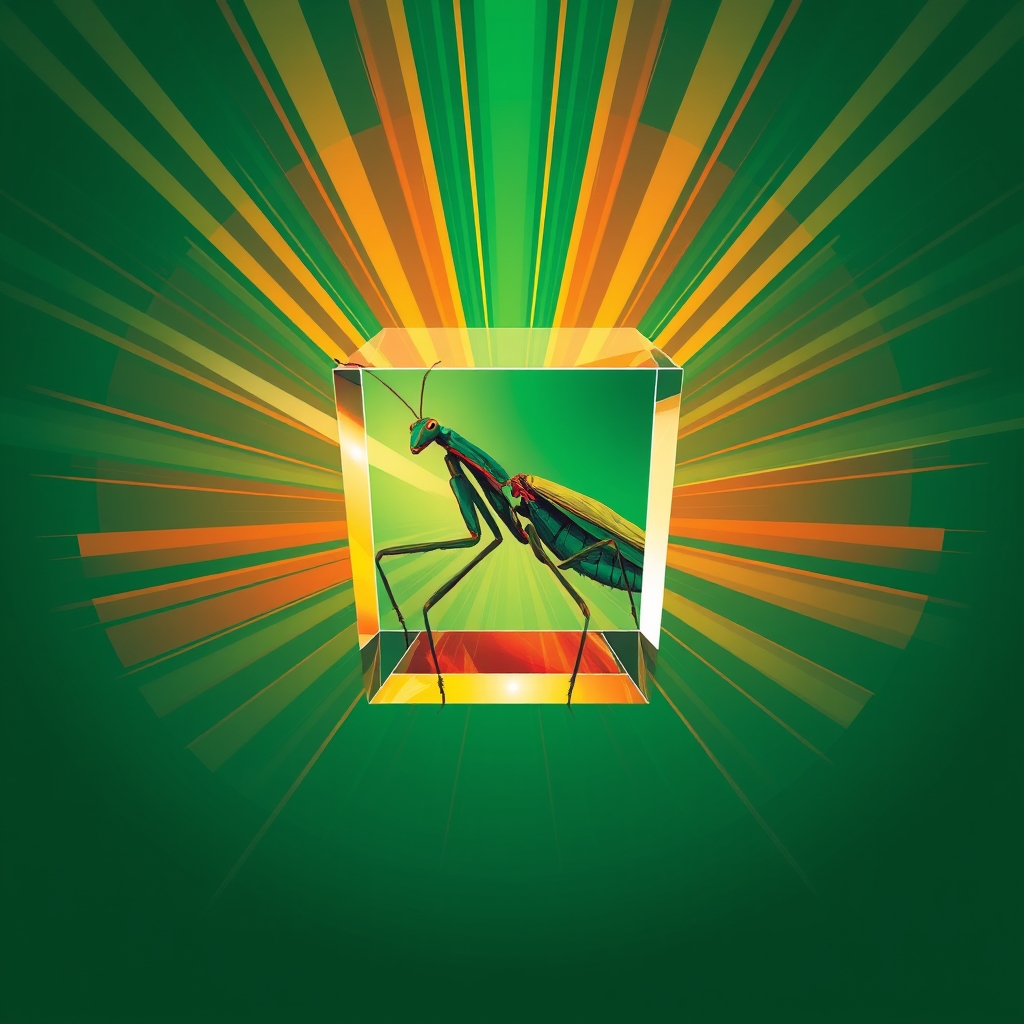
Scientists have discovered a 98-million-year-old mantis with 'leaves' on its abdomen, trapped in amber.
ScienceAlert Read →
On November 13, 1971, Mariner 9 became the first spacecraft to orbit Mars, providing close looks at the Martian surface.
Space.com Read →
In the US, questions have been raised about the Watchman cardiac implant, developed by Boston Scientific.
STAT News Read →
Scientists warn that the 1.5°C climate change threshold could be reached as early as 2029.
Ars Technica Read →
After more than 20 years of declining rates, colorectal cancer is making a comeback in the US.
ScienceDaily Health Read →
Researchers have discovered that a familiar tropical butterfly, known for 200 years, is actually composed of three nearly identical species, including one previously unknown.
ScienceDaily Read →